
HSE states NO to dry cutting of engineered stone
The HSE launches
- For the first time landmark guidance issued as regulator responds to silicosis deaths of young workers
- The HSE has declared Dry cutting is unacceptable and water suppression confirmed as legal requirement.
- The HSE Enforcement measures have been stepped up with the first of over 1,000 inspections already underway
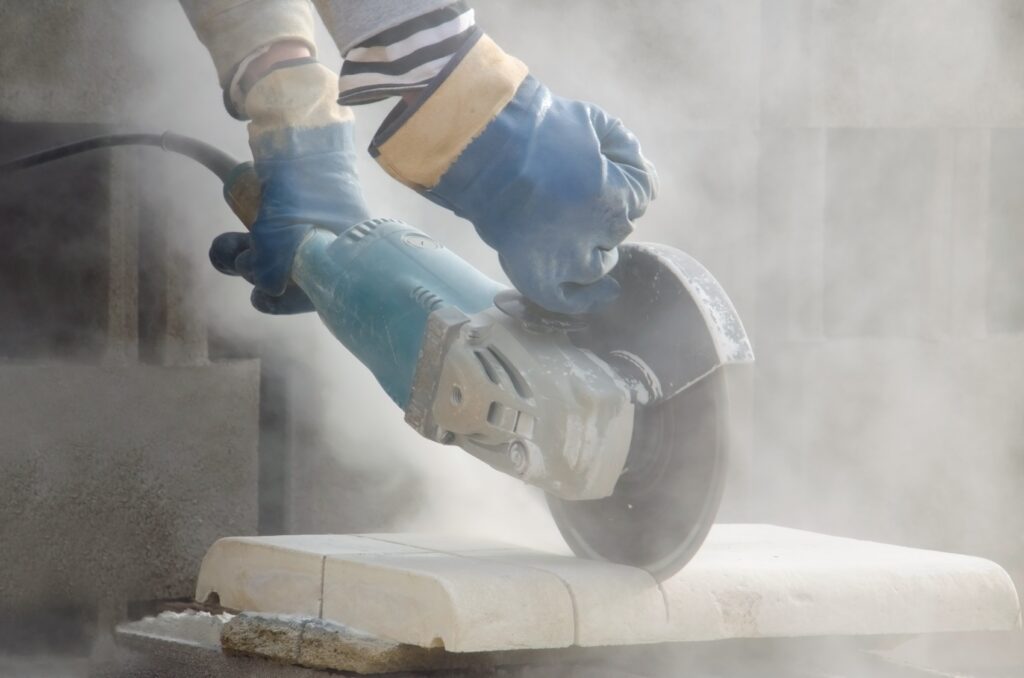
A major initiative has been launched to protect workers from the dangers and risks associated with engineered stone dust, including silicosis – a deadly lung disease caused by inhaling silica dust resulting from stone cutting.
New guidance is now available making it clear that dry cutting of engineered stone is unacceptable and employees are now required to use water suppression techniques and has been adopted by many industry leaders.
Over the next 12 months the HSE plans to conduct more than 1,000 inspections of stone fabrication businesses across Great Britain and enforcement action will be taken where employers fail to meet the required standards.
The move follows growing concern over cases of silicosis among workers handling engineered stone, including the deaths of two young workers in recent years. Research conducted by HSE found that dry fabrication can expose workers to silica dust levels five to ten times higher than equivalent wet-cutting methods.
To help protect workers, HSE has published its first-ever COSHH for engineered stone. It outlines what employers must do:
- Switch to engineered stone with a low silica content;
- Use on-tool water suppression, control mist;
- Provide appropriate respiratory protective equipment (RPE);
- Carry out regular health surveillance.
Health surveillance is a key requirement for employees who are regularly exposed to hazardous dusts. Early detection of respiratory health issues can help prevent long-term illness and ensure control measures remain effective. Milne Safety provides on-site lung function testing, helping employers to protect the long-term health of their workforce.